
The Rise of Early Hair Transplants Among Young Men: What You Need to Know
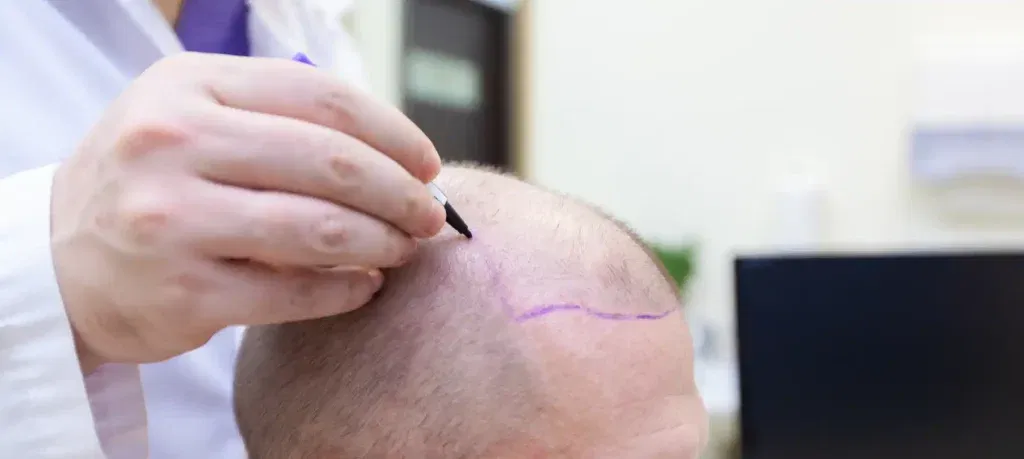
Hair loss has long been associated with middle age, but that association is rapidly becoming outdated. A growing number of men in their twenties — particularly those in Gen Z and the younger millennial bracket — are turning to hair transplant procedures earlier than any previous generation. The question is: what’s driving this trend, and is early intervention always a good idea?
The answer starts, unsurprisingly, with social media. Today’s young adults live their lives on camera. Selfies, video calls, Instagram reels, and TikTok content mean that appearance is constantly documented and scrutinized — both by others and by oneself.
Dr. Abhishek Pilani, founder of Assure Clinic in Mumbai, India, puts it plainly: “Digital exposure has amplified self-awareness. When appearance is documented daily, even early signs of hair thinning can impact confidence.” A slightly receding hairline that might have gone unnoticed in a previous era is now front and center in every photo, and for many young men, that visibility is pushing them into clinics sooner than ever before.
There’s also a broader cultural shift toward proactive self-care at play. Younger generations are investing in their health and appearance earlier and more deliberately than their predecessors. Skincare routines, gym memberships, and aesthetic treatments are no longer niche concerns — they’re mainstream.
Dr. Pilani sees this reflected in his practice: “Today’s generation does not wait for hair loss to progress significantly. They are more aware, more informed and more willing to seek solutions early. Hair restoration is increasingly viewed as preventive planning rather than crisis management.”Technology has made the prospect far less daunting, too. Modern Follicular Unit Extraction, or FUE, is minimally invasive compared to older transplant techniques. Recovery times are shorter, scarring is minimal, and results, when performed well, look natural.
As Dr. Pilani explains, “Modern FUE techniques allow us to extract and implant follicles with precision. When performed appropriately and on the right candidate, results can be subtle and long lasting.” Increased transparency in the industry — including widely shared before-and-after photos and accessible patient testimonials — has also stripped away much of the stigma and fear that once surrounded the procedure.
When timed correctly, early hair restoration can offer real advantages. Dr. Pilani notes that “treating hair loss at an early stage often leads to better graft survival and more natural density,” adding that it “allows for long-term planning, especially when combined with medical therapy to stabilise ongoing hair fall.”
However, the enthusiasm for early intervention comes with a serious caveat that no prospective patient should overlook: getting a hair transplant too early can be a costly mistake.
Hair loss in men under 30 is often still progressing. The pattern of eventual loss may not yet be fully established, making it extremely difficult for even a skilled surgeon to plan an effective, future-proof procedure. A transplant performed on a 22-year-old may look excellent initially, but if the surrounding native hair continues to thin over the following decade, the result can look patchy, unnatural, and inconsistent. Worse, the donor hair used in that early procedure — a finite resource — cannot be reclaimed. Grafts spent too soon may leave insufficient supply for future procedures once the hair loss has reached its true extent.
This is why Dr. Pilani urges caution, stressing that “not every young individual with hair thinning is an ideal transplant candidate,” and that “stabilising hair loss and evaluating future progression is critical. The choice must be medical, not merely emotional or social.” A qualified specialist needs to assess whether hair loss has stabilized, what the likely future progression looks like based on family history and clinical markers, and whether the patient is genuinely suitable for surgery at that point in time. Patience, in this case, isn’t passive — it’s strategic.