
South Korean President Proposes Public Insurance Coverage for Hair Loss Treatment
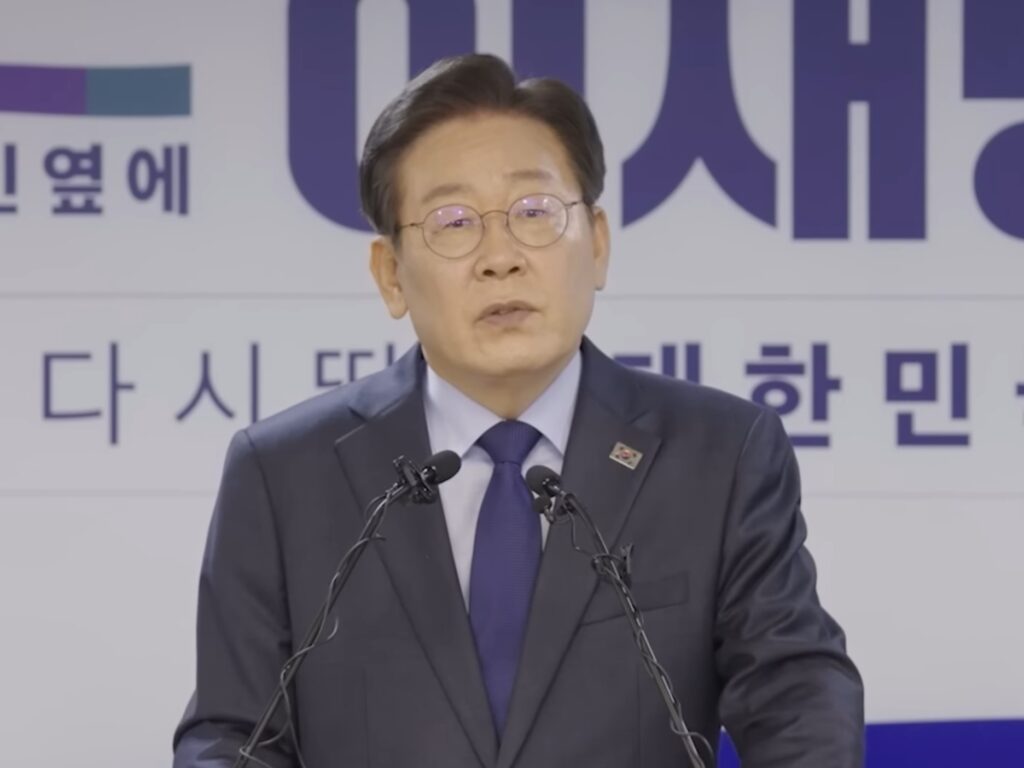
South Korean President Lee Jae Myung has instructed his government to explore extending public health insurance coverage to include hair-loss treatments, describing baldness as a “matter of survival” for young people in today’s competitive society.
The proposal, announced during a policy briefing this week, would significantly expand the current universal insurance scheme, which only covers hair loss resulting from specific medical conditions such as alopecia areata. Under the existing system, common male pattern baldness treatments remain excluded from coverage.
President Lee argued that young people who pay insurance premiums but receive limited benefits experience a “sense of alienation.” He first floated the idea during his 2022 presidential campaign, though it was later dropped from his platform.
The proposal reflects South Korea’s intense cultural emphasis on physical appearance. A 2024 survey found that 98% of young adults believe attractive people receive social advantages. While appearance-related pressures are particularly acute for women, men with hair loss often resort to expensive treatments or styling techniques to disguise thinning hair.
South Korea’s hair-loss treatment market was valued at approximately 188 billion won (£95 million) in 2024, with industry groups claiming around 10 million people out of the country’s 51 million population experience hair loss.
South Korea is home to a growing number of hair transplant clinics.
However, the timing has sparked controversy. Internal projections suggest South Korea’s health insurance system could face deficits as large as 4.1 trillion won (£2.1 billion) in 2026, raising concerns about financial sustainability.
The Korean Medical Association has voiced skepticism, arguing that “prioritising coverage for cancer and other serious diseases would better align with health insurance principles.” Health Minister Jeong Eun Kyeong expressed caution, noting that expanded coverage would require comprehensive financial analysis.
Conservative critics have questioned whether the president should unilaterally push such a policy without broader consultation. Former lawmaker Yoon Hee-sook suggested that “prioritising treatments directly connected to life and bodily function represents the current social consensus.”
Despite the opposition, the proposal has found some support. Ruling party MP Park Joo-min, a known advocate for hair-loss issues who has publicly discussed his own hair transplant, appeared to endorse the initiative.
The debate highlights the challenge of balancing public health priorities with quality-of-life concerns in a society where appearance significantly impacts social and professional opportunities.