
New Hair Transplant Technique Achieves Exceptional Results Without Shaving
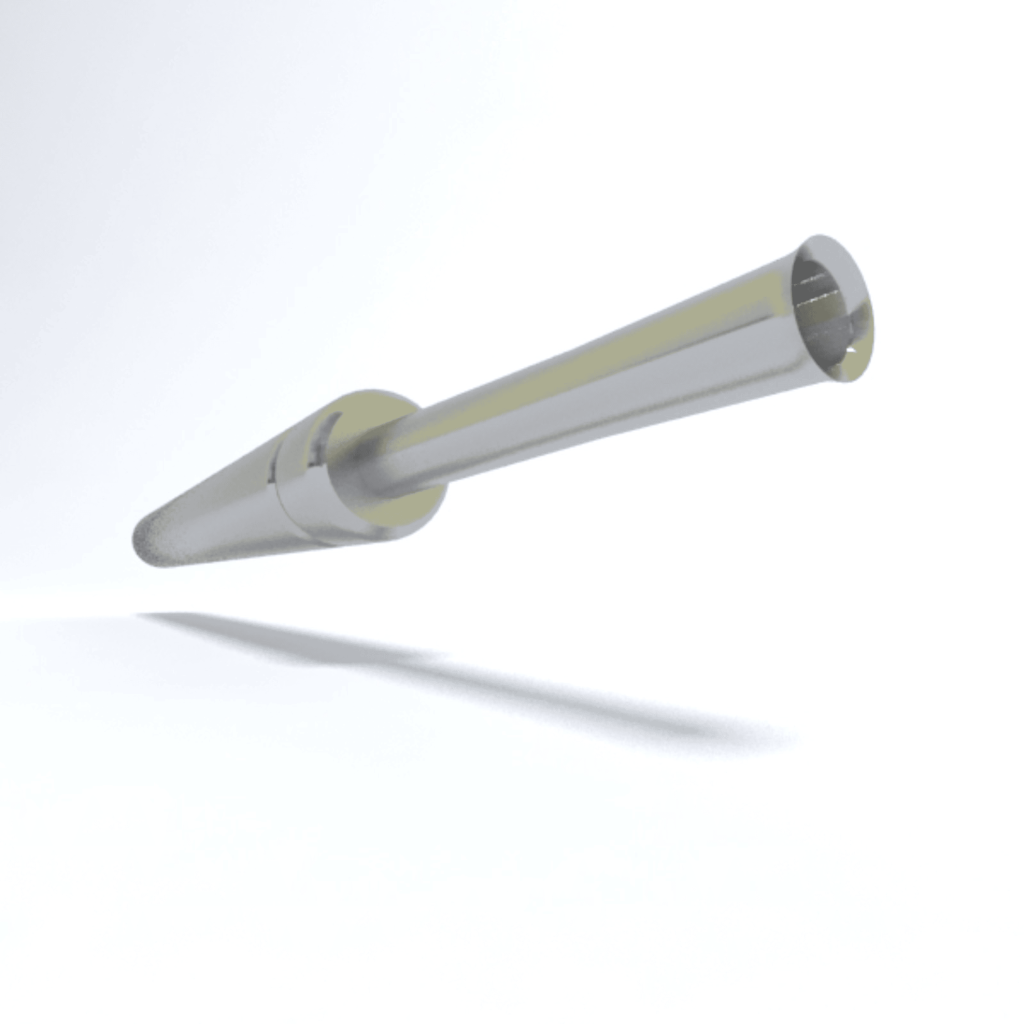
A refined hair transplant method is helping patients avoid one of the biggest obstacles to getting treatment: the need to shave their head. Researchers in Brazil have reported impressive results using an innovative approach called Direct No-Shave Follicular Unit Excision (DNS FUE) that combines discretion with high-quality outcomes.
The key innovation lies in a specially designed tool called the Trivellini Flared punch. Unlike standard extraction tools, this punch features a unique trumpet-shaped tip that acts as a centering guide. As the surgeon works, this flared design keeps follicles away from the cutting edge and stabilizes the punch as it moves through both the hair shaft and skin. This geometric advantage reduces wobbling and improves alignment, protecting the delicate follicular structures even when working around long hair.
The results speak for themselves. Across the 10-patient study, surgeons extracted an average of 4,600 grafts per procedure—a substantial number that allows for meaningful hair restoration. The procedures took between 7 to 10 hours total, with the actual extraction phase limited to a maximum of 4.5 hours to minimize stress on the harvested follicles.
Patient satisfaction proved uniformly high, with all 10 participants rating their experience between 8 and 10 out of 10. At six to eight months post-procedure, standardized photographic assessments showed all patients had achieved significant clinical improvement in hair density and coverage.
Beyond the cosmetic advantage of avoiding a shaved head, the no-shave approach offers an important technical benefit: surgeons can continuously see the donor area density while they work. This real-time visualization allows for more strategic spacing of extraction points, optimizing donor preservation and reducing the risk of over-harvesting from any single area.
The technique does require significant expertise and resources. All procedures were performed under intravenous sedation with a multidisciplinary team of six to seven trained professionals handling different aspects of extraction, graft preparation, and implantation. Grafts were placed using precision implanters as small as 0.64mm, allowing exact control over angle, depth, and direction.
While the study’s small size means larger research is needed to fully validate these findings, the early results suggest DNS FUE with the trumpet-shaped punch represents a significant step forward. For patients who have delayed hair restoration due to concerns about visible shaving, or professionals who cannot afford obvious downtime, this refined technique offers a compelling solution that doesn’t sacrifice quality for discretion.