
Modern Toupees Are Better Than Ever — But Are They Really the Best Option?
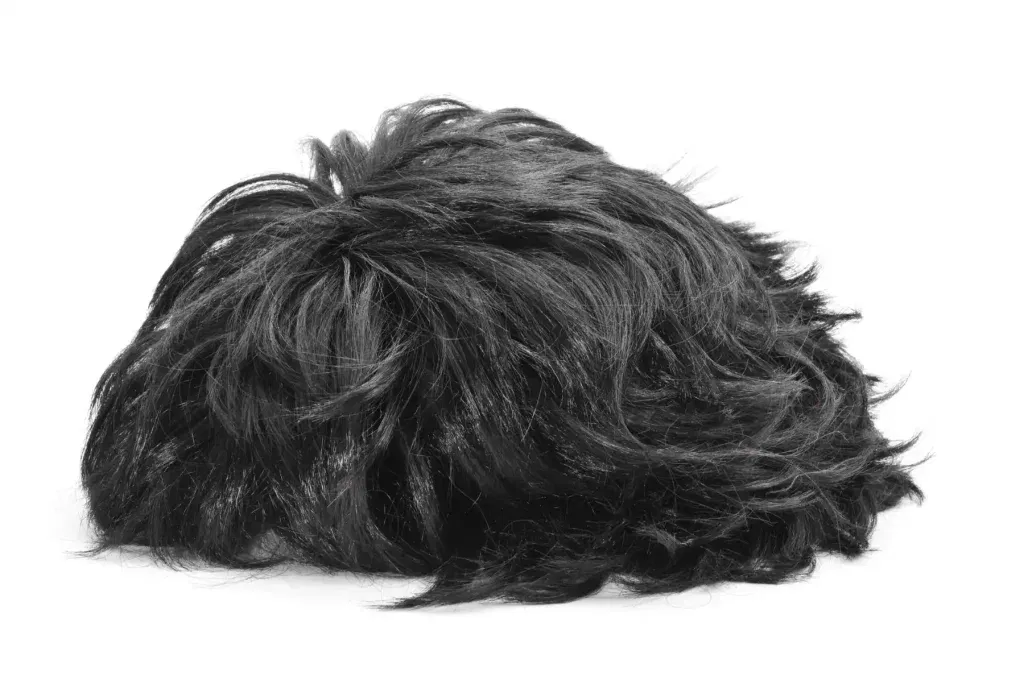
A recent Guardian feature explored the surprising resurgence of the toupee — or as the industry now prefers, the “hair system.” Once a cultural punchline thanks to sketches like Monty Python’s Toupee Department and the rise of the shaved-head look, hairpieces fell sharply out of favor. But a new generation of products, combined with the power of social media, is bringing them back in a big way. For men weighing their options, though, it’s worth looking beyond the initial transformation and thinking about the longer term.
A Real Problem, A Visible Solution
Male pattern baldness is extraordinarily common, affecting an estimated 30–50% of men by the age of 50 and potentially up to 80% over a lifetime. The emotional toll is real. Fabian Martinez, a trichologist at the London Hair Clinic, described clients — including lawyers, judges, and celebrities — breaking down in tears in his consultation room over their hair loss. He pushes back on the idea that men should simply accept baldness, noting that most people just don’t want to shave their heads and move on.
That emotional weight helps explain why hair systems are booming. Google searches for the term have climbed sharply since 2025, and Aderans — one of the industry’s largest manufacturers through its subsidiary Trendco — reported a 43% increase in men purchasing hair systems in 2025 compared to the year before. The company credits the surge to the popularity of male hair transformation videos on platforms like TikTok and YouTube, where stylists such as California-based Emily Alexis Ann Cheney attract millions of views. The comments on these clips are overwhelmingly enthusiastic.
It was exactly these kinds of videos that persuaded Jon McSherry, a 46-year-old from Lincoln, to try a hair system. He’d been thinning since early adulthood, and by his 40s it had become severe. The before-and-after results he saw online were compelling enough to take the leap. His barber, Thomas Robinson, now has around 40 hair system clients on his books, each paying upwards of £600. Robinson describes today’s pieces as far more natural-looking and less wiry than older toupees, calling them “pain-free, guaranteed results.”
Modern systems are made from human or synthetic hair attached to a lace or skin-like membrane, then glued to the scalp. They can be colour-matched and custom-fitted, and with proper care, wearers can exercise, shower, and even swim. One of Robinson’s customers regularly jetskis; another goes scuba diving. Paul McCafferty, a 51-year-old from Edinburgh who has worn a system for about a decade, says the impact on his confidence has been enormous and that nobody can tell he’s wearing one.
The Realities of Long-Term Wear
For all their appeal, hair systems do come with ongoing commitments that are easy to overlook. They need professional rebonding every few weeks, gentle washing with specialised products, and full replacement roughly once a year. Over time, those recurring costs can rival or exceed the one-time price of a transplant procedure.
Durability can also be an issue. When boxer Jarrell Miller’s hairpiece came loose mid-fight earlier this year, it was a vivid reminder that even well-applied systems have their limits. Experts suggested the adhesive may not have had enough curing time, but the incident highlights an inherent vulnerability that transplanted hair simply doesn’t share.
McCafferty himself acknowledged that his first experience with a hair system provider was poor, describing it as focused on profit over support, and the pieces only lasted a few months. He eventually found a better provider and switched to synthetic hair he prefers — but his story underlines how much trial and error can be involved before getting a good result.
And even among surgeons, there’s an honest acknowledgement of the trade-offs. Greg Williams, a hair restoration surgeon at Farjo Hair Institute and spokesperson for the British Association of Aesthetic Plastic Surgeons, tells his patients that transplants generally won’t deliver the same thickness as a hair system — particularly for men with advanced loss. But for everyone else, a transplant addresses the root cause permanently rather than requiring a lifetime of upkeep.
Why Transplants Still Deserve Serious Consideration
Hair transplant surgery has its own limitations. It requires adequate donor hair, results take months to develop, and hair loss is a progressive condition that may call for more than one procedure or ongoing medication. But the outcome is something no system can replicate: your own hair, growing naturally, with no maintenance appointments, no adhesive, and no risk of it coming loose at the wrong moment.
Advances in FUE techniques have made the procedure less invasive and more accessible than ever, with costs in the UK averaging around £4,820 according to one major clinic’s data. That’s a one-time investment versus a recurring annual expense that compounds over the years.
Making the Right Choice
Hair systems are a genuinely viable option for many men, and the satisfaction among wearers is clearly real. But before committing to a lifetime of maintenance, replacement, and the inherent limitations of an external piece, it’s worth exploring whether a permanent surgical solution might be the smarter investment. A consultation with a qualified hair restoration specialist can help you understand what’s realistically achievable for your specific pattern of loss — and which path will serve you best in the years ahead.