
Controversy Erupts Over Dentists Performing Hair Transplants in India
As hair transplant clinics in India continue to grow in popularity, a heated debate has emerged in India’s medical community following the Union Health Ministry’s December 2024 clarification allowing dentists with postgraduate degrees in Oral and Maxillofacial Surgery (OMFS) to perform hair transplant procedures. Dermatologists are strongly opposing this decision, citing serious safety concerns and recent patient fatalities that have exposed the risks of an already under-regulated industry.
The controversy intensified after two engineers in their early 30s died following hair transplant procedures allegedly performed by a dentist between November 2024 and March 2025. These tragic incidents have become central to dermatologists’ arguments that hair transplantation requires specialized medical training beyond dental expertise and raises fundamental questions about patient safety in aesthetic procedures.
The Regulatory Battle
The dispute stems from conflicting positions between India’s regulatory bodies. The Dental Council of India (DCI) issued a notification on December 6, 2022, stating that OMFS practitioners with adequate training could perform hair transplant surgeries, provided they were registered with State Dental Councils and had appropriate infrastructure. This position was based on a 2019 curriculum amendment that included hair transplantation as a skill enhancement module in the OMFS postgraduate program.
However, the National Medical Commission (NMC) strongly disagreed with this interpretation. In June 2024, the NMC responded to queries from the Telangana Medical Council, stating that the DCI had issued its notification without consulting the Ethics and Medical Registration Board. The NMC maintained that hair transplants should only be performed by specialists with formal surgical training, such as those holding MCh or DNB degrees in Plastic Surgery, or MD or DNB in Dermatology with appropriate surgical training.
The Telangana Medical Council issued a public notice in June stating that dentists and OMFS specialists “do not have these specialties as core subjects in their curriculum and therefore lack formal surgical knowledge and training to perform these procedures.” Two days later, the Telangana Dental Council countered this position, creating further confusion for both practitioners and patients.
Medical Expertise vs. Surgical Training
Dr. Kavish Chauhan, founder of FUE Asia, emphasized a crucial distinction that lies at the heart of the debate: while OMFS training may cover facial reconstructive surgery for trauma or burns, treating pattern baldness is fundamentally different. “Hair loss is frequently a manifestation of hormonal disorders, metabolic disease, autoimmune conditions, or nutritional deficiencies,” he explained. “When health problems reflect in the hair, how will dentists know what they are looking at?”
This distinction is critical because proper hair loss treatment often requires diagnosing underlying systemic diseases. Dermatologists argue that hair transplantation is not merely a cosmetic procedure but a medical intervention that requires comprehensive understanding of skin, hormones, and internal medicine—training that dental programs do not provide.
Dangerous Industry Practices
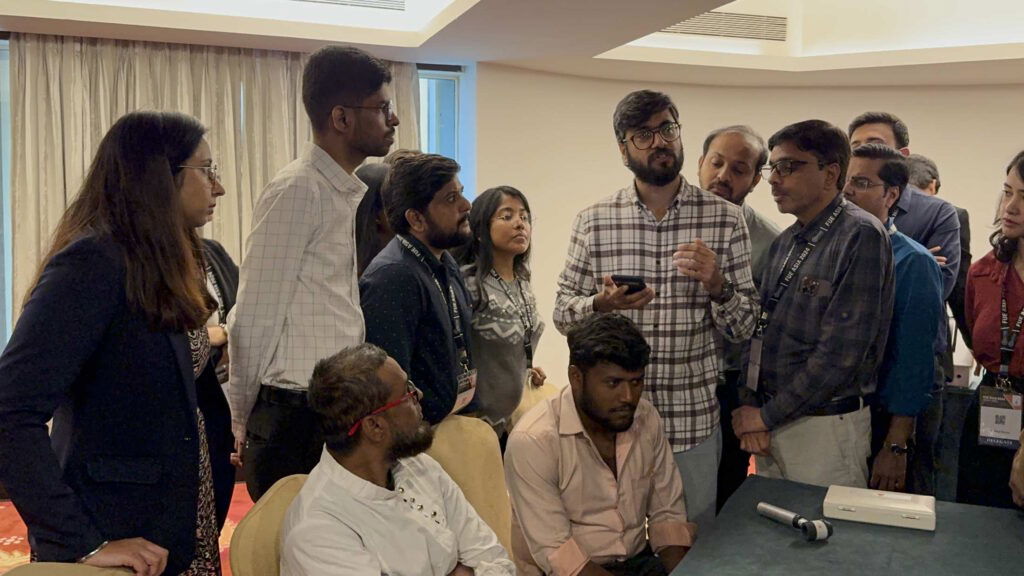
Experts at the FUE Asia Regional Conference 2026 in Hyderabad warned of dangerous practices proliferating across India’s largely unregulated hair transplant industry. Dr. Chauhan described the phenomenon of “ghost surgery,” where patients believe a qualified doctor will perform their procedure, but technicians actually conduct the surgery without proper medical supervision. “Any procedure where the skin is penetrated must be performed by a doctor,” he stressed. “Technicians can assist, but they cannot extract grafts, implant grafts, or administer anesthesia.”
Dr. Vijay Jalagam of the Telangana Medical Council revealed alarming findings from enforcement efforts. Inspections of approximately 100 beauty centers in Hyderabad found about 10 operating illegally. “In Madhapur alone, within 5 kilometers, you will find dozens of clinics either unlicensed or operating without proper infrastructure,” he stated, highlighting the scale of the regulatory challenge.
He also pointed to enforcement difficulties: “When dentists were found performing hair transplants, the council referred cases to the Dental Council. We have written to about 20 to 30 practitioners, but we have not received any response so far.”
Legal Challenges and Patient Protection
The DCI’s December 2022 notification is currently being challenged in both the Madras High Court and Bombay High Court. Dermatologists are also preparing a public interest litigation in the Supreme Court seeking comprehensive laws to regulate aesthetic skin and hair procedures.
As legal challenges proceed through multiple courts, dermatologists urge patients to exercise extreme caution. Prospective patients should verify practitioners’ medical degrees, state medical council registration, clinic licensing, operation theatre facilities, sterilization standards, and most importantly, ensure the consulting doctor will personally perform the procedure.
Dr. Rajetha Damisetty, organizing president of the FUE Asia conference, emphasized the fundamental nature of the issue: “Hair transplantation is not a beauty service—it is a medical procedure with real risks. Hair is an integral part of the body and often reflects internal health. Evaluation of hair loss can uncover diabetes, PCOS, thyroid disease, nutritional deficiencies, and autoimmune disorders.”
While the Health Ministry maintains that its clarification resolves jurisdictional overlap by limiting OMFS practitioners to the cranio-maxillofacial region, dermatologists argue that patient safety—not professional territory—must remain the primary concern in regulating hair transplant procedures.